
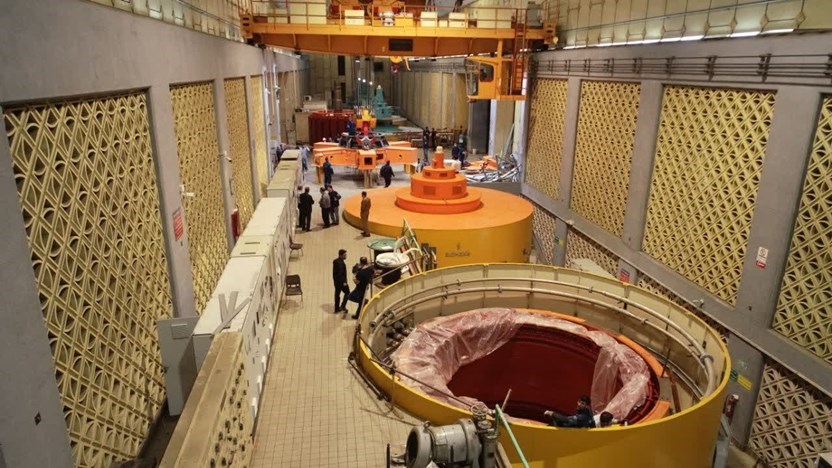
The Dez Dam and Power Plant consists of eight generating units, each rated at 65 MW, with a total installed capacity of 520 MW. The first unit was commissioned in March 1963. After nearly 50 years of operation and the aging of the units, for the first time, comprehensive studies on stabilization and optimization of the dam and power plant were initiated by the Khuzestan Water and Power Authority.
The engineering studies carried out on the dam and power plant equipment included field investigations, technical and engineering assessments, updating of water resources studies and reservoir management of Dez Dam, lifetime diagnostic testing of major equipment, and efficiency and output capacity measurements of the generating units. Based on the results, a technical and economic report was prepared for five optimization alternatives and submitted to the client. Following the client’s approval, tender documents were prepared for the selected option. At present, the progress of project execution exceeds 70 percent.
After the optimization and provisional delivery of Units 3 and 4 of Dez Power Plant in 2021 and 2023, the optimization works on Unit 2 were completed within 10 months. Following a one‑month trial operation period, the unit was provisionally delivered on August 27, 2024, in the presence of representatives of the client (Khuzestan Water and Power Authority), the contractor (Khuzestan Hydropower Installation, Repair and Maintenance Company), the operator (Dez Dam Generation and Operation Company), and the consultant (Moshanir Company). The unit was then handed over to the operator for permanent operation.
The new generating units, in addition to achieving a 38.5% increase in capacity (from 65 MW to 90 MW), are equipped with the following advanced features:
• Improved efficiency
• Digital governors with higher sensitivity and faster response compared to conventional governors
• Joint Control system
• Static excitation system
• Synchronous condenser system for improved power factor and grid voltage stability
• Capability for spinning reserve operation
Equipping the power plant with these systems not only enhances turbine operating conditions and eliminates operation outside the Hill Chart range, but also provides significant advantages for grid operation and interaction with the dispatching center. From an economic perspective, these improvements result in increased revenue for the power plant.
During the supervision phase of the optimization works, the main responsibilities of the consulting engineers included reviewing the contractor’s design documents, performing certain primary and supplementary designs, inspection and supervision of refurbishment and optimization works in domestic and international workshops and factories, monitoring dismantling and assembly activities, conducting factory and site tests, and overseeing commissioning.





Send Comments